
Back to main guide: Complete Guide To Gpt
In today’s fast-evolving digital landscape, leveraging artificial intelligence has become a cornerstone of efficiency and innovation for businesses across all sectors. Specifically, the power of Generative Pre-trained Transformers (GPT) offers unprecedented opportunities to automate tasks, enhance decision-making, and unlock new creative potential. Understanding how to effectively implement this technology is crucial, and this guide explores the nuances of Integrating Gpt Into Your Workflow: Apis And Custom Solutions to help you harness its full potential.
See also: Complete Guide to Gpt, What is GPT? A Beginner's Guide to Generative Pre-trained Transformers, Practical Applications of GPT in Business and Everyday Life, Prompt Engineering: Mastering GPT for Better Results, The Evolution of GPT: From GPT-1 to GPT-4 and Beyond.The Transformative Power of GPT in Modern Workflows
GPT models are revolutionizing how businesses operate by automating complex language-based tasks that once required significant human effort. From drafting marketing copy and generating code to summarizing lengthy documents and providing instant customer support, these AI tools are streamlining operations and boosting productivity across the board. This integration frees up valuable human resources to focus on more strategic and creative initiatives, fostering a truly innovative work environment.
Across various industries, GPT’s impact is profound and multifaceted. In customer service, it powers intelligent chatbots that offer 24/7 support, resolving queries quickly and efficiently. For content creators, it acts as a powerful assistant, generating ideas, outlines, and even full drafts, drastically cutting down production time. Data analysts benefit from its ability to process and interpret vast amounts of unstructured text data, extracting insights that would be impossible to uncover manually.
Harnessing GPT with Off-the-Shelf APIs for Quick Integration
For many organizations, the fastest and most straightforward path to GPT integration is through off-the-shelf Application Programming Interfaces (APIs). These readily available interfaces allow developers to connect their existing applications directly to powerful GPT models hosted by providers like OpenAI, without needing to manage the underlying infrastructure or train complex models from scratch. This approach significantly reduces the barrier to entry, enabling rapid deployment and immediate benefits.
Common use cases for integrating GPT via APIs include automating email responses, generating personalized content for marketing campaigns, or implementing advanced search functionalities within internal knowledge bases. Businesses can quickly prototype and deploy AI-powered features, testing their impact and iterating based on real-world feedback. The flexibility of APIs means they can be woven into almost any digital tool, from CRM systems to project management platforms.
API-integration">Key Advantages of API Integration
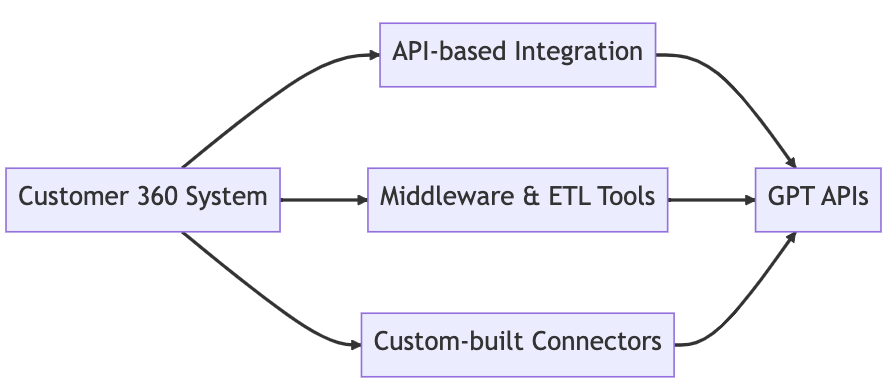
Integrating GPT through APIs offers several compelling advantages for businesses looking to quickly embrace AI capabilities. This method provides immediate access to state-of-the-art models without the need for extensive in-house AI expertise or significant upfront investment in hardware. It’s a highly scalable solution, allowing businesses to adjust their usage based on demand, paying only for the resources consumed.
* Ease of Implementation: Minimal coding required, often with well-documented SDKs and libraries. * Cost-Effectiveness: Pay-as-you-go models reduce initial investment and operational overhead. * Scalability: Easily handle fluctuating workloads without managing infrastructure. * Access to Latest Models: Providers regularly update and improve their models, ensuring access to cutting-edge AI.
Considerations for API-Based Solutions
While API integration offers considerable benefits, it’s essential to be aware of potential limitations. Relying on external APIs means that data processing often occurs on third-party servers, which can raise concerns about data privacy and security, especially for sensitive information. Additionally, the general-purpose nature of pre-trained models means they might not always provide the highly specialized or nuanced responses required for very niche business applications.
Furthermore, API usage comes with transaction costs, which can escalate with high volume, making it crucial to monitor and optimize usage. While providers offer some customization options, the extent of tailoring is generally limited compared to building a truly bespoke solution. Businesses must weigh these factors against their specific needs and regulatory compliance requirements.
Crafting Bespoke Solutions: Building Custom GPT Applications
For organizations with highly specialized requirements, unique datasets, or a strong need for proprietary control, building custom GPT applications represents a powerful alternative. This approach involves fine-tuning existing GPT models with proprietary data or even developing custom models from the ground up, tailored precisely to a business’s specific domain and operational context. It offers unparalleled precision and control over the AI’s behavior and output.
Custom solutions are particularly valuable when off-the-shelf models struggle to grasp industry-specific jargon, internal company policies, or highly nuanced customer interactions. By training a GPT model on your own data – be it customer service transcripts, technical documentation, or legal precedents – you can create an AI that speaks your business’s language and understands its unique challenges. This deep level of customization leads to more accurate, relevant, and consistent results.
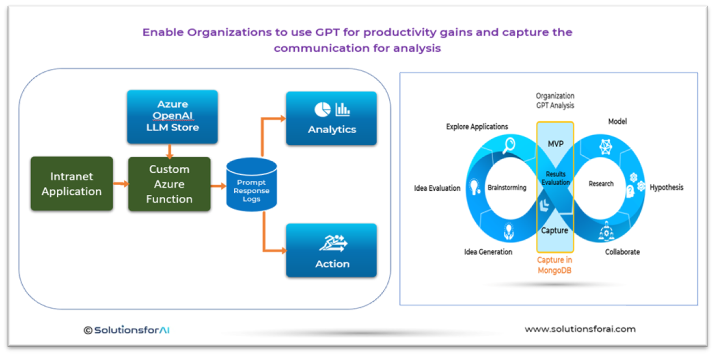
When to Opt for Custom GPT Development
Deciding to pursue custom GPT development is a strategic choice often driven by specific business imperatives that standard APIs cannot fully address. If your organization operates in a highly regulated industry with strict data privacy mandates, or if your intellectual property relies on unique textual patterns, a custom solution provides the necessary control. It also becomes essential when the output quality from general models is insufficient for critical business functions.
* Unique Data Requirements: When your business has proprietary data that needs to be incorporated for optimal performance. * Domain-Specific Nuances: For industries with highly specialized terminology or complex rule sets. * Enhanced Data Security: When sensitive data must remain within your controlled environment. * Competitive Differentiation: To build truly unique AI capabilities that set your business apart. * High Volume & Cost Optimization: For very high usage scenarios, a custom model might be more cost-effective long-term.
The Custom Development Process
The journey to building a custom GPT application typically involves several key stages, starting with meticulous data preparation. This involves collecting, cleaning, and formatting your proprietary datasets to ensure high-quality input for training. Next, a base GPT model is selected and fine-tuned using this specialized data, a process that teaches the model to generate responses consistent with your brand voice and specific domain knowledge. Resources like [OpenAI’s fine-tuning documentation](https://platform.openai.com/docs/guides/fine-tuning) offer valuable insights into this technical process.
Following fine-tuning, the custom model undergoes rigorous testing and validation to ensure it meets performance benchmarks and accuracy requirements. Finally, the application is deployed, often within a controlled environment, and continuously monitored and iterated upon to refine its performance over time. This iterative cycle of training, testing, and deployment ensures the custom solution remains relevant and effective as business needs evolve.
Strategic Integration: Best Practices and Future Considerations
Regardless of whether you choose API-driven integration or a custom-built solution, strategic planning is paramount for success. A clear understanding of your business objectives, careful selection of the right GPT models, and a focus on user experience are critical. It’s not just about implementing technology; it’s about thoughtfully embedding AI into existing human workflows to augment capabilities, not replace them.

Prioritizing data governance, ethical AI principles, and robust security measures should be at the forefront of any GPT integration strategy. Regular audits of AI outputs, transparent communication with users about AI involvement, and continuous monitoring for bias are essential for responsible deployment. Furthermore, investing in training for your team will ensure they can effectively collaborate with and leverage these powerful new tools.
Maximizing Your GPT Investment
To truly maximize the return on your GPT investment, it’s crucial to adopt a mindset of continuous improvement and measurement. Establish clear key performance indicators (KPIs) before deployment to accurately track the AI’s impact on efficiency, cost savings, and user satisfaction. Gather feedback from both internal users and external customers to identify areas for refinement and expansion.
This iterative approach allows for agile adjustments to your GPT implementation, whether it involves tweaking API prompts, refining custom model training data, or expanding the scope of AI-powered tasks. By fostering a culture of experimentation and learning, businesses can ensure their GPT solutions remain aligned with evolving strategic goals and continue to deliver tangible value.
The Evolving Landscape of GPT Integration
The field of large language models is advancing at an astonishing pace, with new capabilities and models emerging frequently. Future considerations for GPT integration include the rise of multimodal AI, which combines text with images, audio, and video for even richer interactions. Expect to see more sophisticated customization options, easier fine-tuning processes, and even more accessible deployment tools.
Businesses should remain agile and informed about these developments, continuously exploring how new GPT advancements can further enhance their operations. Proactive engagement with the AI community and a willingness to adapt integration strategies will be key to staying competitive and unlocking the next wave of productivity gains and innovation.
